

Women leaders in the People’s Front for Freedom (PFF) have called on women across Uganda and in the diaspora to share their personal experiences of life under President Museveni, as part of a planned publication documenting what the opposition party describes as decades of overlooked struggles and resilience.
In a statement issued on Sunday via the party’s official account on X (formerly Twitter), PFF women announced the launch of a magazine project aimed at compiling testimonies from Ugandan women about their social, economic and political experiences during the country’s nearly four decades under Museveni’s leadership.
“For 40 years, the strength of Ugandan women has been the backbone of our nation, yet their stories are often relegated to the shadows. Behind every market stall, every closed door, and every empty chair at the dinner table, there is a story of resilience against a system that has taken too much,” the statement read.
The initiative forms part of a broader campaign by the opposition party to highlight what it says are the untold realities faced by women during Museveni’s presidency, which began in 1986.
Under the hashtag #M7MALA, the PFF encouraged women to submit written accounts of up to 1,000 words detailing their experiences. Submissions are being collected through email as the party works to compile stories for publication in the forthcoming magazine.
According to the party, the project aims to amplify voices that are often missing from mainstream narratives about gender equality and development.
“Stories of unfair evictions and the struggle to protect your livelihood. Tales of those left to raise families alone due to state-led abductions and disappearances. Your political and social battles in a space designed to keep you silent. We know your truth. Your silence has never protected you; your voice will empower us all,” the statement continued.
The appeal follows a statement released by the party on International Women’s Day titled “Giving to Gain — The Untold Stories of Women under Museveni’s Rule.”
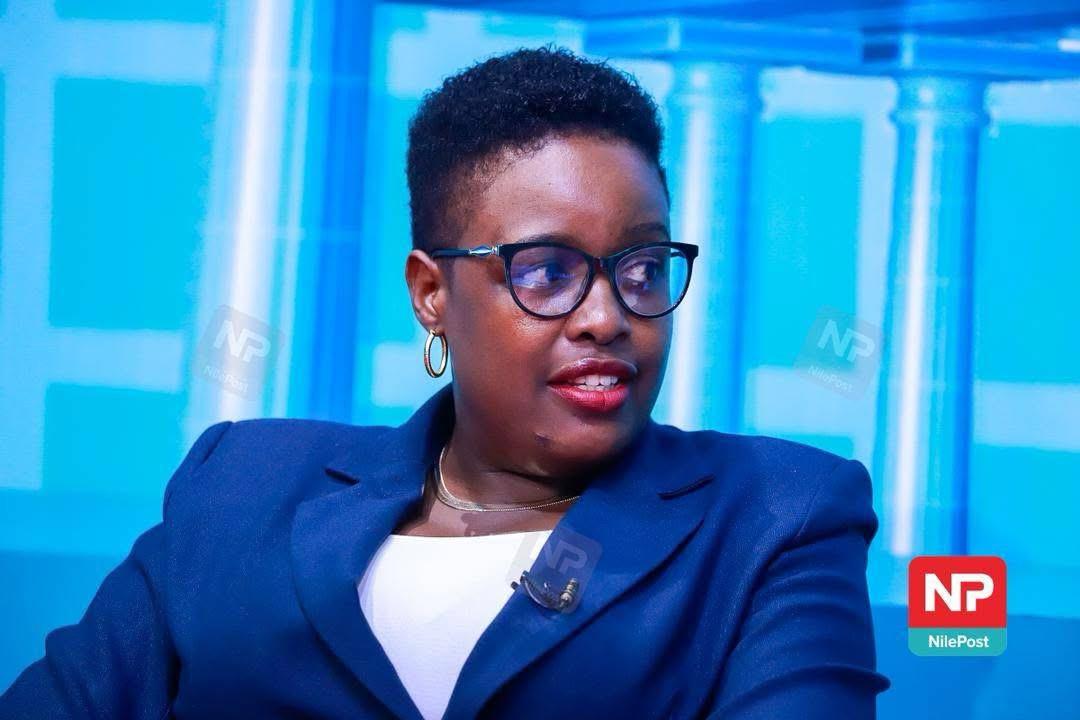
The message was issued after a press briefing at the party’s headquarters in Katonga and was signed by Doreen Nyanjura, Kampala Deputy Lord Mayor and PFF Head of Gender.
In the statement, Nyanjura framed women’s empowerment not as a ceremonial celebration but as a struggle rooted in sacrifice, resilience and solidarity.
The PFF contrasted its message with official national Women’s Day celebrations organised by the government, which this year included programmes highlighting women’s contributions to national development and an all-women military parade at Kololo Independence Grounds.
The opposition party’s statement described what it characterised as systemic hardships experienced by women over the past four decades, including arrests during protests, disputed elections that have divided families, and the social consequences faced by widows of political violence.
The statement also highlighted economic and social challenges affecting women and girls, including school dropouts linked to poverty, maternal deaths, and the struggle many mothers face to provide basic necessities for their families.
“These are painful stories,” the statement noted, adding that such realities are often overlooked in discussions about gender equality.
According to the PFF, these experiences demonstrate that genuine empowerment requires sacrifice so that the nation may ultimately gain freedom, justice and dignity.
Rejecting what it described as purely ceremonial observances of Women’s Month, the PFF said it intends to undertake a series of activities aimed at supporting women affected by political conflict.
These include visits to families of political prisoners and the preparation of legal appeals under what the party described as challenging conditions.
Central to the campaign is the planned publication of the women’s magazine documenting lived experiences.
The programme will also include commemorative events for women activists who have died, community gatherings to share electoral and social experiences, and a public solidarity run intended to raise awareness and foster unity.
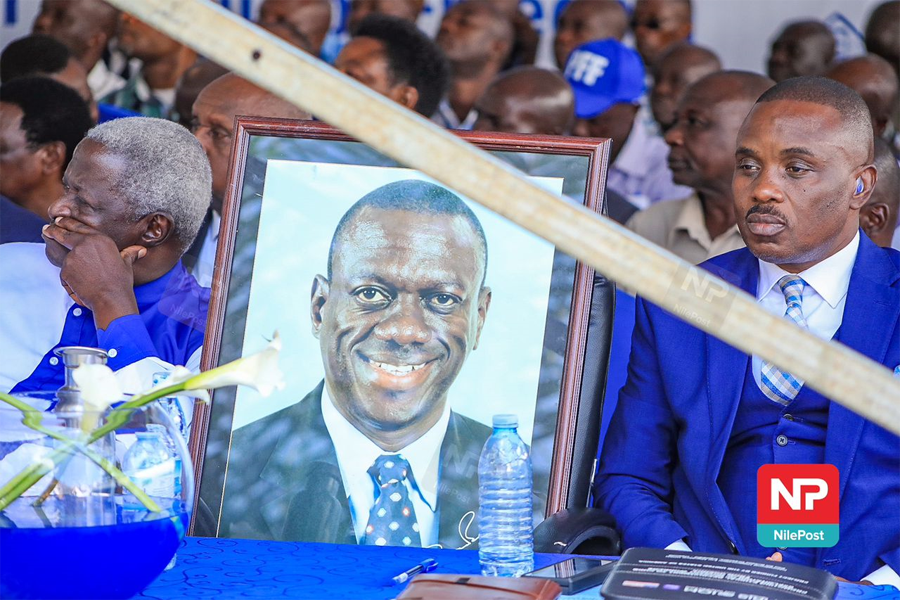
The statement also reiterated the party’s demand for the unconditional release of several opposition figures currently detained, including Kizza Besigye, alongside other detainees such as Hajj Obed Lutale, Samuel Makokha and Sam Mugumya.
In its appeal to women across Uganda — from rural communities to urban centres and diaspora networks — the PFF encouraged collective action in various forms, including visiting families of prisoners, contributing to legal defence funds, sharing personal testimonies online, or standing in solidarity through prayer and reflection.
“Every act multiplies,” the statement said, describing even small contributions as part of a broader struggle for justice and gender equality.
According to the party, the planned magazine will serve as a permanent record of women’s voices and experiences, ensuring their stories are documented and heard both nationally and internationally.
